




Dear Reader,
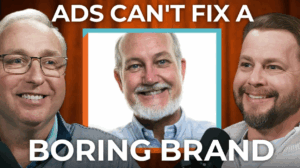
This is Part Two of our in-studio conversation with Roy H. Williams—and if Part One opened the door to the Wizard’s world, this one walks you into the inner sanctum.
In this episode, Roy reveals how he discovered the power of storytelling—not through advertising textbooks, but through Robert Frost, classic literature, and a relentless drive to understand what actually moves people. You’ll hear the story of how he walked away from short-term marketing wins because they didn’t resonate with his values, and how that decision became the turning point of his career.
We dig deeper into what makes a great client and a great campaign. Roy explains why the best ads can’t be copied—because they’re so deeply tied to the brand’s unique DNA, no one else could possibly run them. From Scudamore’s “Shield of Love” to Elmer’s tribute to his mom, you’ll hear stories that connect so deeply, you forget you’re listening to an ad.
You’ll also hear a raw truth: most business owners don’t have the courage to star in their own story. They hide behind cartoon mascots and style guides. Roy’s message is simple: if you don’t want to be the face of your brand, maybe you shouldn’t be building it. And if that sounds harsh, good—because it means you’re listening.
This episode isn’t about theory. It’s about what happens when truth meets talent, and when brand meets belief. Alan shares his story about his father riding through the Irish rain to work every day—a story Roy says should have been in every ad Alan ever ran. That moment alone is worth the listen.
We close this series with a reminder: Roy may be a wizard, but the magic only works when the owner is ready to lead with honesty, clarity, and heart. If that’s you, then maybe it’s time to stop marketing like everyone else—and start building a brand that only you could ever bring to life.
If you missed Part One, go back and listen now. This two-part series belongs together.

In This Episode, You'll Learn:
- Why storytelling beats facts in high-stakes advertising
- The danger of short-term wins in marketing strategy
- How to build a brand only your company can own
- Roy’s pivot from crowd-chasing to brand-building
- Why being memorable is the goal, not mass appeal
Episode Chapters & Summary
The Shift from Crowd-Chasing to Legacy Building
“The reason most ads don't work like they should is most people don't have the staying power.”
Roy recalls how early in his career he could draw huge crowds fast—but it wasn't sustainable, and it didn't serve people with long-term goals. He reveals the breaking point where he stopped chasing short wins and started working with clients who cared about lasting impact.
Key Takeaways:
- Short-term marketing wins often attract the wrong clients
- Sustainable growth takes patience and trust
- The best clients think in decades, not days
- Fame without purpose is the wrong kind of success
The Power of Unstealable Brand Language
“The most powerful ads are ads that cannot be adopted and modified to fit any company other than the one they were written for.”
Roy, Todd, and Alan discuss why great ads are specific, not generic. They dig into the value of crafting language and messaging that's so deeply tied to your brand that no one else could steal or use it without it falling flat.
Key Takeaways:
- Generic language weakens your brand identity
- Specificity builds emotional connection
- Distinct language makes you irreplaceable
- Great branding feels like it couldn't belong to anyone else
The Patience It Takes to Be Remarkable
“You have to be the company they think of first—and feel the best about.”
They emphasize the discipline of being consistent in your message, even when results don't show up right away. Roy explains how true branding requires not just frequency, but alignment between your actions and your message.
Key Takeaways:
- Repetition without strategy is wasted effort
- Feelings often drive buying decisions more than facts
- Branding is a long game of trust and resonance
- Commitment matters more than cleverness
The Trap of Rational Persuasion
“You can't logic someone into love—and you can't logic someone into loyalty either.”
Todd, Alan, and Roy explore how facts often fail to move people. Emotional resonance is the true lever in storytelling. When you rely on logic alone, you miss the chance to connect—and connecting is what drives change.
Key Takeaways:
- People don't buy because of logic—they buy because they feel something
- Facts support the story; they don't lead it
- Emotion beats evidence in marketing impact
- Connection always comes before conversion
Being Memorable Means Being Uncomfortable
“To be remembered, you have to risk being misunderstood.”
Roy ends with a challenge: stop playing it safe. He unpacks why the best messages are the ones that spark debate, feel unfamiliar, or even get misunderstood. If you're not doing that, you're forgettable.
Key Takeaways:
- Safety is the enemy of memorability
- Risk is required for breakthrough branding
- Being a little weird is often strategic
- Polarizing can mean you're onto something